In the pantheon of gourmet ingredients, few hold the mystique and culinary power of Bottarga. Often referred to as "Sardinian Gold," this salted, cured fish roe has been a treasured delicacy in Mediterranean cuisine for centuries. Its intense, briny, and deeply umami flavor can transform simple dishes into extraordinary culinary experiences. But what exactly is this prized ingredient, and how can you incorporate it into your kitchen? This guide will unveil the secrets of Bottarga, from its traditional roots to its modern gourmet applications.
What is Bottarga? A Culinary Treasure from the Sea
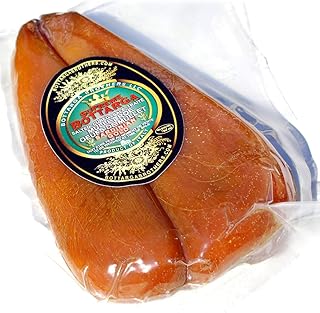
At its core, Bottarga is the roe sac of grey mullet (or sometimes bluefin tuna) that has been salted, pressed, and air-dried. The process, honed over generations, particularly in Sardinia and Sicily, concentrates the flavors, resulting in a firm, waxy block that can be grated or shaved. The most revered type is Bottarga Di Muggine (Grey Mullet Roe), hailing from regions like Cabras in Sardinia. Its flavor profile is complex: think of the sea's salinity meeting nutty, cheesy, and profoundly savory notes. It's no wonder it's often called the "poor man's caviar," though its status is anything but poor in the world of fine food.
The Two Main Stars: Sardinian Mullet Roe and Sicilian Tuna Roe
While both are exceptional, Sardinian and Sicilian Bottarga offer distinct experiences. Sardinian Bottarga, typically from grey mullet (muggine), is considered the gold standard. Products like Sanniti Bottarga Cured Mullet Roe exemplify this tradition, offering a balanced, rich umami that is less fishy and more refined. For those seeking convenience without sacrificing quality, Sardinian Grated Bottarga is a perfect pantry staple, ready to sprinkle. On the other hand, Sicilian Bottarga, often made from the roe of the majestic bluefin tuna, has a stronger, more robust flavor. The Sicilian Grated Bluefin Tuna Bottarga packs a powerful punch, ideal for those who love a more pronounced seafood taste.
How to Use Bottarga: Unleashing Umami in Your Kitchen
The beauty of Bottarga lies in its versatility. A little goes a very long way, making it an economical luxury. The classic and most celebrated use is as a pasta topping. Simply grate or shave it over a plate of spaghetti aglio e olio (garlic and oil) or creamy carbonara just before serving. The residual heat gently melts the roe, coating each strand in a savory, salty glaze. It's also phenomenal shaved over scrambled eggs, risottos, or bruschetta with ripe tomatoes and olive oil. For a simple yet stunning appetizer, try thin slices on buttered bread or alongside sliced avocado.
Choosing Your Bottarga: Whole vs. Grated
When selecting Bottarga, you'll find it in two main forms: whole roe sacs and pre-grated. A whole sac, like the beautiful Smeralda Italian Whole Bottarga, is the choice for purists and those who want maximum freshness and control over the grating size. It requires a microplane or very fine grater. For everyday ease, pre-grated versions like Le Mareviglie - Grated Bottarga Mullet Roe are incredibly convenient and preserve well in the jar. Consider your usage: if you'll use it frequently for finishing dishes, grated is perfect. If it's for special occasions where you'll shave elegant ribbons, invest in a whole piece.
Why "Sardinian Gold" Lives Up to Its Name
The "Sardinian Gold" line, available in various sizes like the Approx 5.0oz or larger 6.3oz units, represents the pinnacle of this craft. Its Kosher certification also makes it accessible for a wider audience seeking authentic, high-quality Kosher Bottarga. The care in its production ensures a consistent, deep amber color, firm texture, and that unforgettable savory-sweet taste that defines premium Sardinian Bottarga. It's a true gourmet ingredient that deserves a place in any serious cook's pantry.
Storing and Enjoying Your Bottarga
To preserve its exquisite flavor, store whole Bottarga tightly wrapped in parchment paper and then in foil in the refrigerator. It can last for months. Grated Bottarga should be kept in its sealed jar in a cool, dark place. Avoid exposing it to strong light or heat. Remember, Bottarga is a condiment, not a main component. Use it sparingly to enhance, not overwhelm. For more inspiration and detailed cooking tips, explore our comprehensive Ultimate Guide to Bottarga.
From the sun-drenched shores of Sardinia to your dinner table, Bottarga offers a direct connection to ancient Italian culinary tradition. Whether you choose the nutty depth of grey mullet roe or the bold character of tuna, incorporating this seafood condiment is a guaranteed way to add a layer of sophisticated, umami-rich complexity to your dishes. Start with a small, grated jar or a whole sac from a trusted source, and discover why this "Sardinian Gold" is worth its weight in flavor.